Clarity in action
Slide transformation
Scientific slides often contain strong information, but weak hierarchy.
This page shows how dense, technical content can be reworked into clearer, more focused communication for investors, partners, and broader scientific audiences.
Each example highlights the original slide, the redesigned version, and the reasoning behind the change — from simplifying content and sharpening hierarchy to bringing key numbers and messages into focus.

Simplifying content
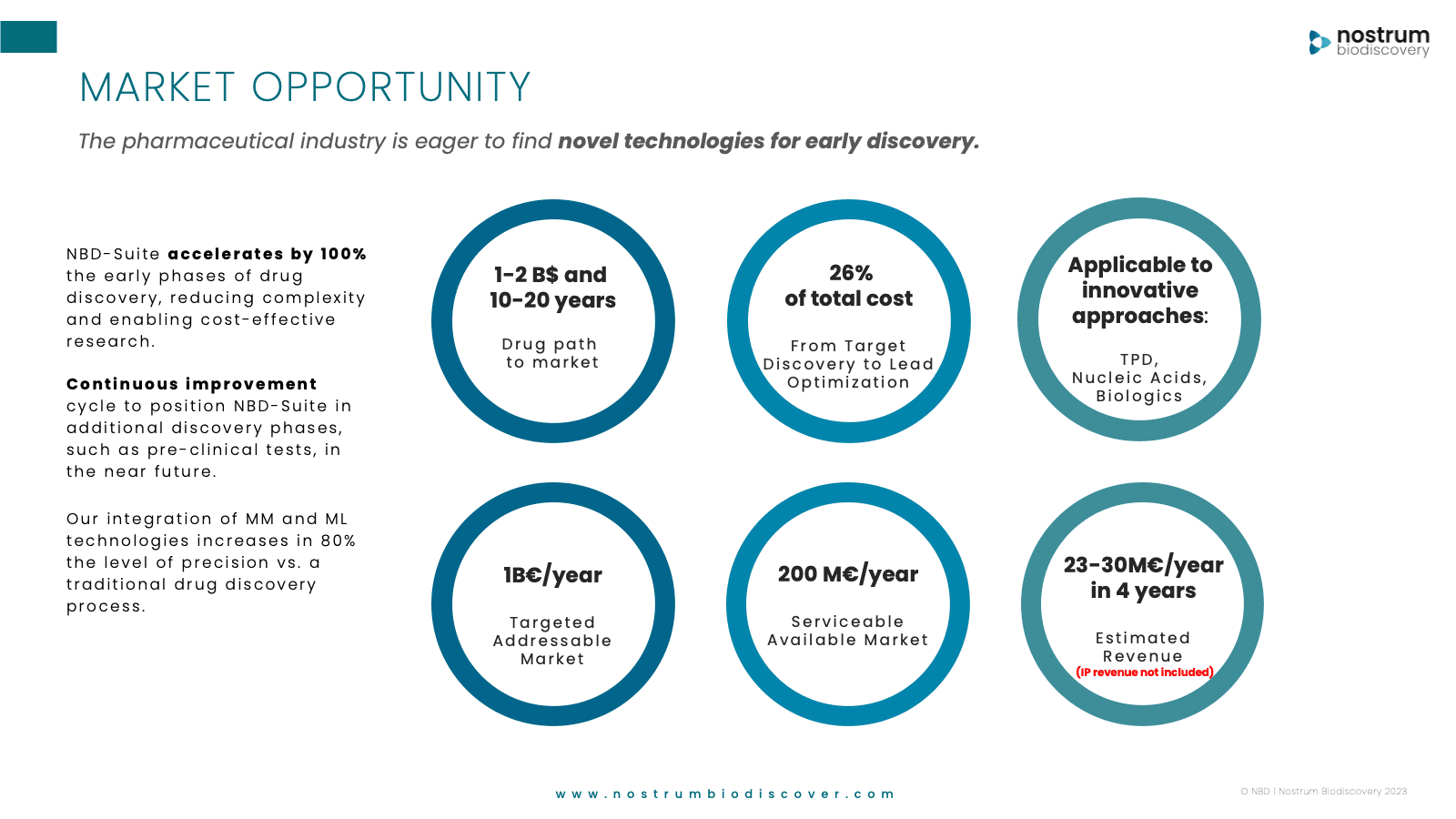
Too much text for fast reading
Too many equal visual points
Market sizes and company messages compete
Main takeaway is unclear
Before

One core market message comes forward
TAM and SAM are easier to compare
Extra content is removed
Visual hierarchy is clearer
After
Introducing the general problem/context, improving visual reading
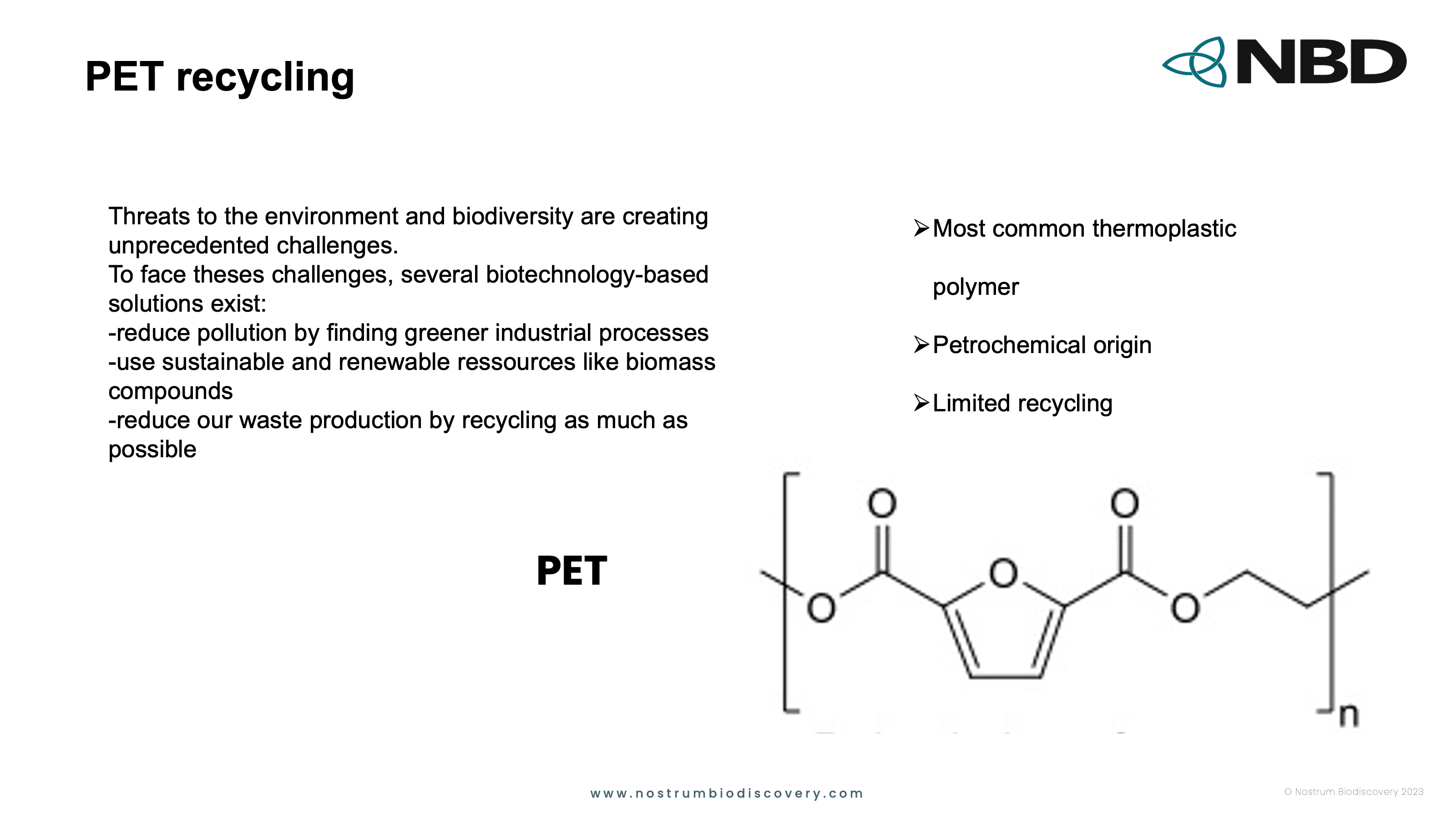
The problem statement is text-heavy and visually flat
Key facts about PET are present, but hard to grasp at a glance
The slide feels informational rather than persuasive
The environmental context is weakly connected to the technical content
The logo is deformed
Before
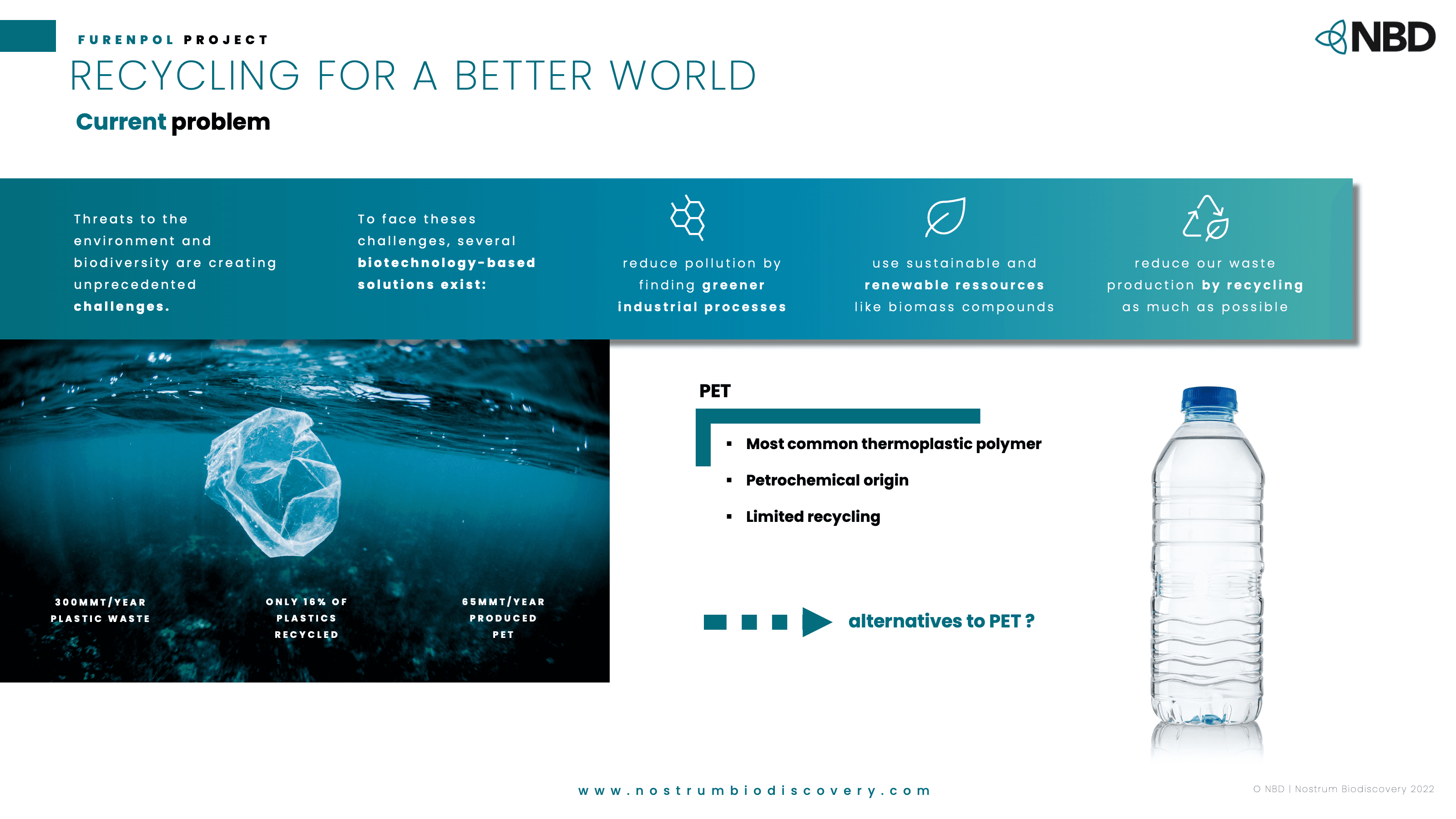
The environmental problem is introduced immediately through imagery and structure
Key PET facts are shortened and grouped for faster reading
The slide balances context, facts, and narrative more effectively
The visual system makes the message more memorable and relevant
After
Clarifying complex workflows
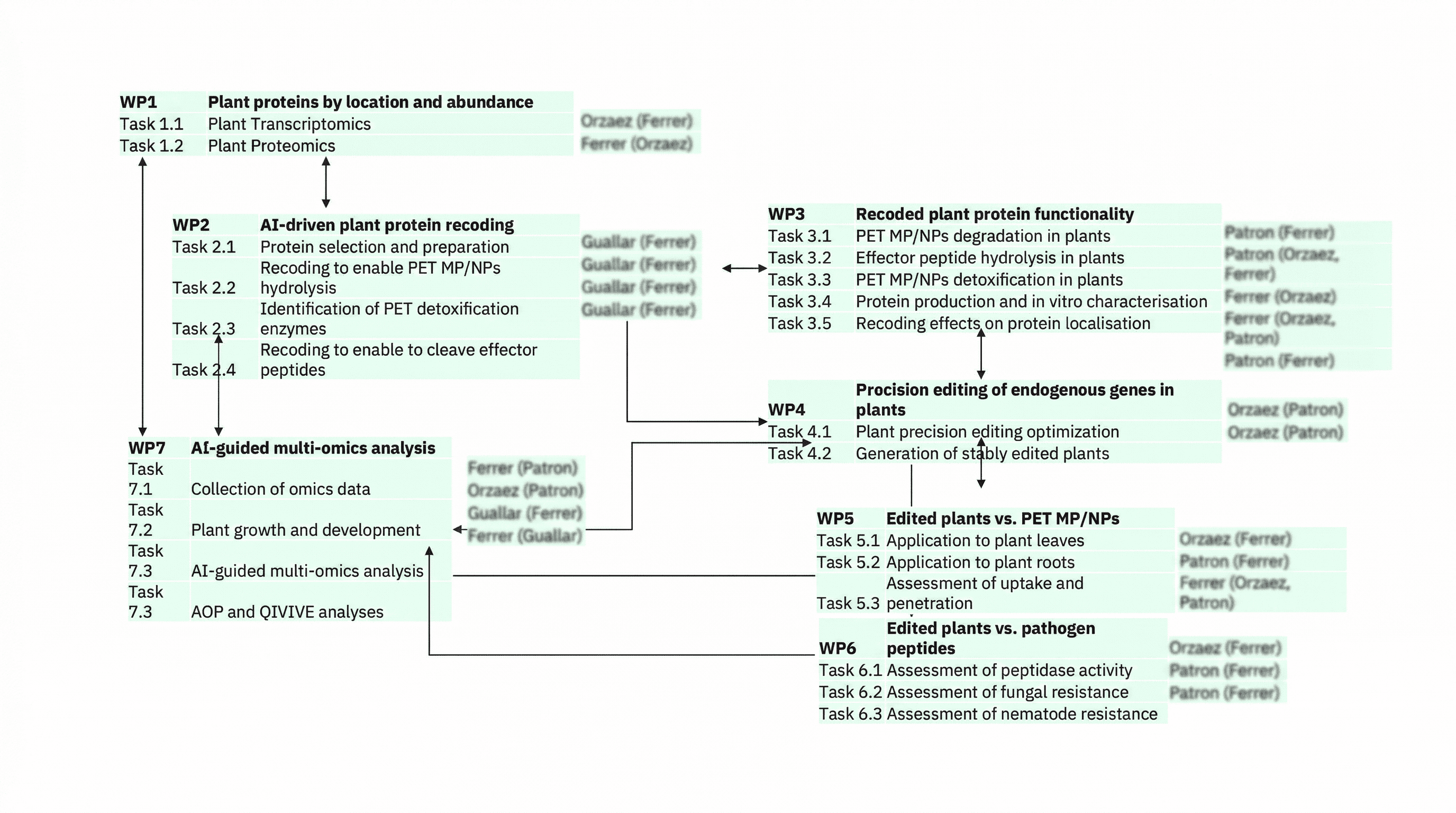
The original diagram contains all the information, but the structure is hard to decode quickly
Work packages, tasks, and relationships compete visually at the same level
The reading path is unclear, so the viewer has to work to understand dependencies
The slide feels more like a raw planning document than a presentation visual
Before
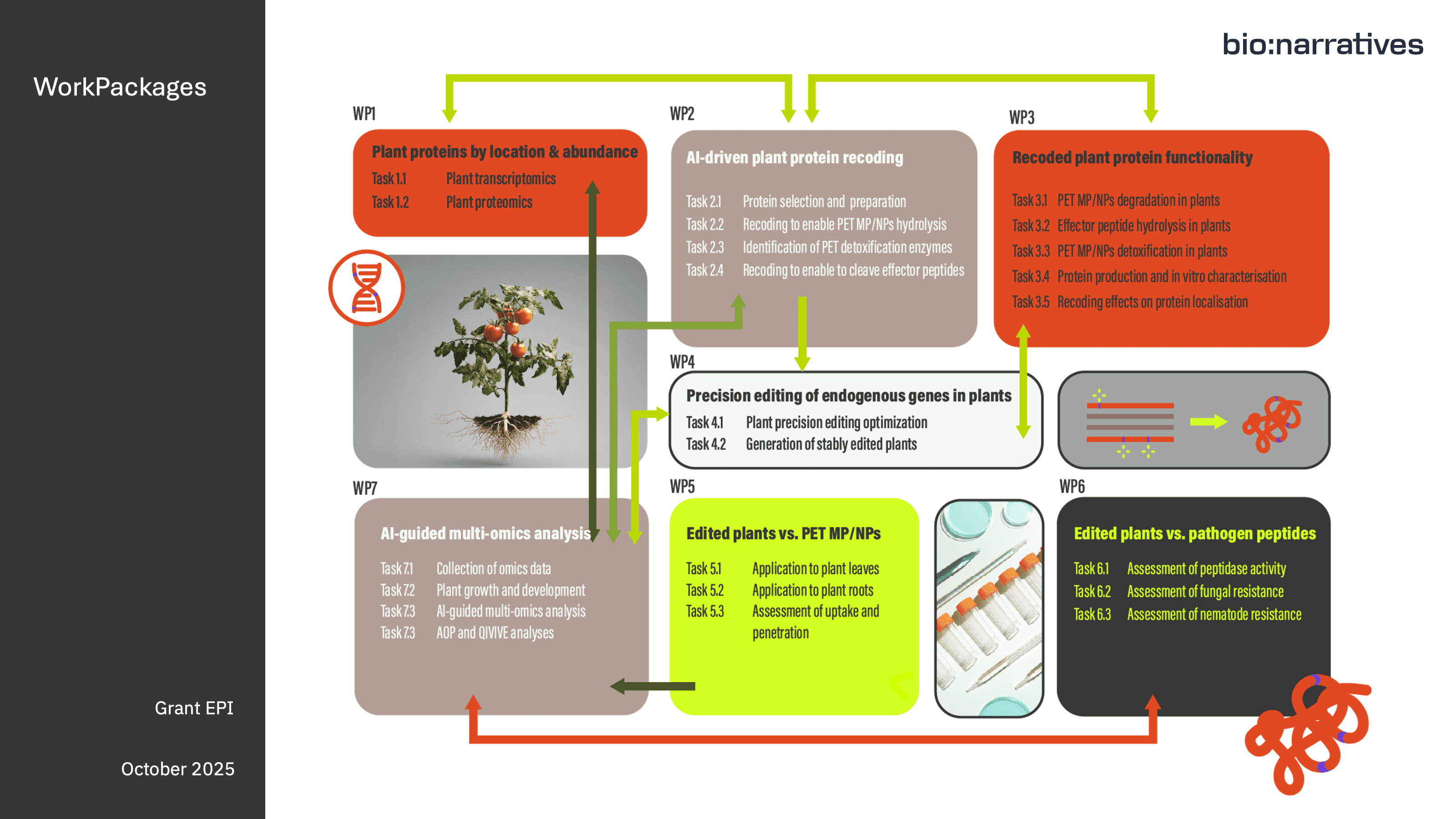
The workflow is reorganized into clear, color-coded modules that are easier to distinguish
The hierarchy between work packages becomes much more immediate
Arrows and visual grouping make the relationships easier to follow at a glance
The slide becomes more memorable and presentation-friendly without losing the core structure